
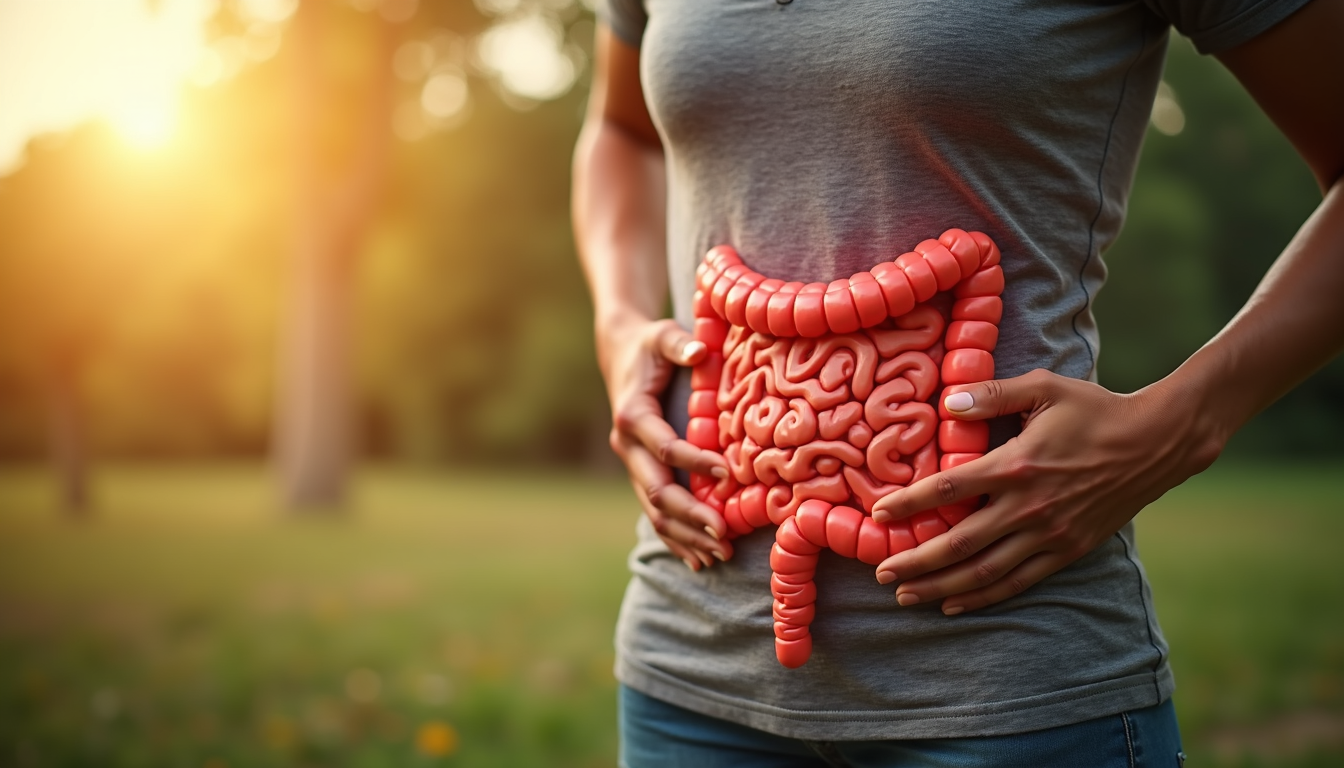
Enteritis and Irritable Bowel: Causes, Support and Emotional Considerations
Important cancer-care note: Nutritional, emotional, and lifestyle approaches may support general wellbeing, but they do not replace oncology assessment or treatment. Some supplements and antioxidants can interact with cancer treatments, so always discuss supplements with your oncology team, pharmacist, GP, or registered dietitian.
What is Enteritis?
Enteritis refers to inflammation of the small intestine. This condition commonly leads to digestive symptoms such as abdominal discomfort, diarrhoea, nausea, vomiting and sometimes fever. It is often described by people as “stomach flu” or food poisoning.
In many cases, enteritis develops suddenly and may last for several days up to about a week. The most important aspect of treatment is maintaining hydration and supporting the body while the digestive system recovers. In more severe situations, medical attention may be required.
Common Causes of Enteritis
Several factors may contribute to inflammation of the small intestine.
Infections
The most common cause is infection from contaminated food or water. These infections may involve viruses or bacteria.
Examples include
Norovirus
Rotavirus
Salmonella
E. coli
Campylobacter
These organisms can irritate the intestinal lining and trigger digestive symptoms.
Medications
Certain medications may irritate the intestinal lining. Non-steroidal anti-inflammatory drugs (NSAIDs), such as ibuprofen or naproxen, are known to sometimes contribute to intestinal irritation.
Underlying Medical Conditions
Some inflammatory or autoimmune conditions, such as Crohn’s disease, can also affect the small intestine and produce symptoms similar to enteritis.
Radiation Therapy
Radiation treatment used in cancer therapy can sometimes damage the intestinal lining, leading to inflammation.
Conventional Treatment Approaches
Treatment generally focuses on supporting the body while the digestive tract heals.
Hydration
Replacing lost fluids and electrolytes is essential, particularly when diarrhoea or vomiting are present.
Dietary Adjustments
Eating light, easy-to-digest foods can help reduce digestive irritation. Many people benefit from temporarily avoiding foods such as:
Dairy products
Caffeine
Fried or fatty foods
Highly processed foods
Medication
In some situations, doctors may recommend medication to help manage diarrhoea. Antibiotics may be prescribed if a confirmed bacterial infection is present.
Medical Care
If dehydration becomes severe or fluids cannot be kept down, hospital care and intravenous fluids may be required.
Irritable Bowel Syndrome (IBS)
Irritable Bowel Syndrome is a common digestive disorder affecting the function of the intestines. It is more frequently reported in women and often begins before the age of 35.
People with IBS typically experience recurring abdominal discomfort along with changes in bowel habits such as diarrhoea, constipation, or alternating patterns.
For diagnosis, symptoms generally include recurrent abdominal pain occurring multiple times per month and associated with changes in bowel movements, stool frequency or stool consistency.
IBS is now widely recognised as a legitimate medical condition. It is also strongly influenced by the gut–brain connection, which means emotional stress, anxiety and mood can influence digestive function.
Contributing Factors to Irritable Bowel Symptoms
1. Dietary Factors
Diet plays an important role in digestive health. Highly processed foods, refined sugars and artificial ingredients can contribute to inflammation in the digestive tract.
Foods commonly associated with digestive irritation include
Refined carbohydrates and sugars
Highly processed foods
Industrial seed oils
Poor-quality processed meats
A diet rich in whole, natural foods tends to be more supportive of gut health.
2. Food Sensitivities
Many people with IBS experience reactions to certain foods.
A food sensitivity occurs when the immune system reacts to a specific food. This immune response can trigger inflammation in the digestive tract.
Common trigger foods may include
Gluten
Dairy
Corn
Soy
Eggs
Nuts
Nightshade vegetables
Repeated exposure to foods that trigger sensitivities can irritate the intestinal lining and worsen digestive symptoms.
3. Imbalances in Gut Microbiome
The digestive tract contains trillions of microorganisms that play a vital role in digestion, immunity and metabolism.
A healthy gut typically maintains a balance between beneficial and harmful bacteria. When this balance becomes disrupted, a condition known as dysbiosis may occur.
Dysbiosis has been associated with several digestive disorders including
Irritable bowel syndrome
Crohn’s disease
Obesity
Colorectal disease
4. Digestive Infections
The digestive system regularly encounters bacteria, viruses, parasites and fungi.
When the immune system is weakened, infections may develop and damage the intestinal lining. These infections can trigger inflammation and contribute to ongoing digestive problems.
One common condition associated with IBS is Small Intestinal Bacterial Overgrowth (SIBO). Individuals with IBS are significantly more likely to have SIBO.
Certain parasites, including Giardia and other microorganisms, may also contribute to digestive symptoms.
5. Chronic Stress
Stress has a strong influence on digestive function through the gut–brain axis.
Long-term stress can affect the digestive system in several ways
Activating inflammatory pathways
Reducing blood flow to the digestive lining
Altering the gut microbiome
Increasing intestinal permeability
When the body enters a stress response, digestion may slow down or temporarily stop as the nervous system prioritises survival responses.
For this reason, many individuals notice worsening digestive symptoms during periods of emotional stress or anxiety.
Nutritional and Lifestyle Support
The following strategies may help support digestive recovery and gut health.
Hydration and Electrolytes
Maintaining hydration is essential, particularly during episodes of diarrhoea.
Electrolyte support products such as marine plasma solutions may assist with fluid balance.
Supporting Gut Flora
Improving the balance of beneficial bacteria in the gut can support digestive health.
Probiotics are beneficial microorganisms that help restore microbial diversity in the digestive system. Research suggests probiotics may be helpful in individuals with IBS.
Activated Charcoal
Activated charcoal is sometimes used as a binding agent to absorb toxins and irritants in the digestive tract. It may assist in reducing diarrhoea in certain cases.
Parasite and support normal detoxification pathways Support
Some individuals may benefit from protocols designed to address digestive pathogens and support support normal detoxification pathways processes.
Binders such as bentonite clay are sometimes used to assist the body in removing toxins from the digestive tract.
L-Glutamine
Glutamine is an amino acid that plays an important role in supporting the intestinal lining. It serves as a key nutrient for intestinal cells and may assist in repairing and maintaining the gut barrier.
Stress Management and Sleep
Since stress can significantly affect digestive health, managing stress levels is an important part of recovery.
Helpful strategies may include
Prioritising adequate sleep
Spending time outdoors and in sunlight
Grounding or earthing practices
Breathing exercises
Epsom salt baths
Gentle movement and relaxation practices
Balanced blood sugar levels and a nutrient-dense diet can also support the nervous system and digestive health.
Nutritional Support Protocol
Recommended Duration: 6 months Follow-Up: Review progress after 6 months to assess response and adjust the protocol if required.
This protocol is designed to support cellular health, immune balance, digestive function, and overall metabolic activity.
Core Cellular Support
ASEA Redox Supplement
Week 1
60 ml in the morning
60 ml in the evening
From Week 2 onward
120 ml in the morning
120 ml in the evening
Potential Benefits
Supports glutathione production
Encourages mitochondrial activity and energy production
Supports healthy cellular signalling
May activate the Nrf2 pathway involved in cellular protection
Supports healthy body pH balance
Daily Nutritional Supplements
Vitamin D3 – Dr Wolz
Dose: 4,000 IU daily Instructions: Take 4 capsules per day.
Dr Wolz Zell Oxygen
Dose: 30 ml once daily
Dr Wolz Immunokomplex
Dose: 30 ml once daily
Dr Wolz Curcumin
Dose: 2 capsules daily
Dr Wolz Omega-3 (High DHA)
Dose: 2 capsules daily
Omega-3 fatty acids support cardiovascular health, brain function, and healthy inflammatory balance.
Mineral and Electrolyte Support
Quinton Hypertonic
Dose
1 ampoule each morning
Quinton Isotonic
Dose
1 ampoule each evening
These marine plasma solutions provide a broad spectrum of bioavailable minerals and electrolytes that support hydration and cellular function.
Hydration and support normal detoxification pathways Support
Chlorine Dioxide Solution
Instructions
Add 10 ml to 1 litre of water
Sip regularly throughout the day
Nervous System and Muscle Support
Nano Magnesium
Dose
60 ml in the morning
60 ml approximately 1 hour before bed
Magnesium supports nervous system balance, muscle relaxation, and sleep quality.
Digestive and Immune Support
Dr Wolz 22 Strain Probiotic Ultra
Dose
2 capsules with meals daily
Supports microbial balance within the gut and promotes digestive health.
Antioxidant and Micronutrient Support
Organic Vitamin C (Food Based) – 1200 mg
Dose
3 capsules in the morning
3 capsules in the evening
Supports immune function and antioxidant protection.
Ancient Purity Selenium
Dose
200 mcg daily
Selenium supports thyroid function and antioxidant systems.
Nano Zinc with Copper
Dose
30 ml daily
Supports immune health and enzymatic processes.
B-Vitamin Complex (100 mg)
Dose
1 capsule daily
Supports energy production and nervous system health.
Vitamin B5 (Pantothenic Acid)
Dose
2,000 mg daily
Supports adrenal function and energy metabolism.
Additional Therapeutic Interventions
The following lifestyle practices may further support recovery and overall wellbeing.
Grounding (Earthing)
Stand barefoot on soil, grass, or natural surfaces for at least 5 minutes daily.
Many people find additional benefit from longer exposure when possible.
Hydrogen Water
Hydrogen-rich water may support antioxidant activity and cellular energy.
Hyperbaric Oxygen Therapy
Hyperbaric oxygen may support tissue oxygenation and cellular repair processes.
Infrared Sauna / Sauna Therapy
Regular sauna use may support support normal detoxification pathways, circulation, and relaxation.
Important Note
This nutritional protocol is intended to support general health and wellbeing. It should be followed in consultation with a qualified practitioner, particularly if you are taking medication, have an existing medical condition, or are pregnant.
Emotional Factors in Irritable Bowel Syndrome (IBS)
IBS is not only a physical condition but is often influenced by emotional and psychological patterns that have developed over a lifetime. Understanding these emotional influences can help support gut health and overall wellbeing.
Emotional Patterns Commonly Observed
Many people with IBS report feeling restricted or held back in life. You may have struggled to express yourself fully due to a lack of support or validation from influential figures, such as family members or authority figures.
Early experiences may have required you to adapt quickly, cope independently, or protect yourself emotionally, leaving you with feelings of being unsupported, unloved, or isolated.
You may carry unresolved emotions from past experiences, often holding onto thoughts or feelings because you didn’t have the safety to express them earlier.
This need for control can arise from a fear of uncertainty or unpredictability. Controlling aspects of life can provide a temporary sense of security amidst mental and emotional stress.
Avoiding or stepping away from personal goals may have occurred because challenges felt overwhelming, leaving you with a sense of hopelessness or frustration.
Isolation and withdrawal can exacerbate anxiety and depressive symptoms, reinforcing a sense of vulnerability. Human beings naturally seek connection, and prolonged isolation can impact emotional and physiological health, including digestive function.
Connection Between Emotional Stress and IBS Symptoms
IBS with Diarrhea: This pattern may reflect ongoing tension or stress in parental or early authority relationships. You might have experienced repeated feelings of being attacked, unsupported, or unsafe. Current relationships may mirror these early experiences, triggering similar emotional responses.
IBS with Constipation: This pattern may indicate past experiences of hostility or neglect from caregivers, particularly during infancy. You may subconsciously hold onto emotional trauma as a protective strategy, fearing that releasing these patterns could expose you to future harm. Retaining these emotional “survival skills” feels safer, even if it limits your ability to move forward.
In both cases, unresolved emotional trauma can manifest physically in the gut, affecting motility, digestion, and overall bowel health.
Reflective Questions
Use these questions as prompts to explore emotional connections with IBS symptoms
Are there situations or people from which you feel trapped or unable to escape? How does this impact your emotions and physical symptoms?
Who in your life has made you feel suppressed or unheard? How did their response to your needs influence your sense of safety and self-expression?
In what circumstances do you feel resistant or defensive? What purpose does this resistance serve?
Are there specific influential figures whose actions caused significant fear, anxiety, or mistrust? Do current relationships trigger similar emotions?
Consider ancestral patterns: Were there experiences of scarcity, mistreatment, or emotional suppression in your family history that may affect your current emotional and digestive responses?
Examine maternal influences: How might your mother’s emotional state during pregnancy have affected your development, particularly regarding stress, anxiety, and emotional regulation?
Compare patterns between your emotions, habits, and your mother’s early life experiences. Are there similarities that may have been imprinted during fetal development?
How might unresolved emotions from past or ancestral experiences influence your current gut health, eating habits, or response to stress?
Clinical Note
Exploring these emotional factors is not about assigning blame but about understanding how past and present emotional experiences interact with gut physiology. Reflecting on these patterns can inform strategies for managing stress, improving emotional resilience, and supporting IBS treatment.
Irritable Bowel Syndrome (IBS) Emotional Reflection & Symptom Worksheet
Purpose: This worksheet is designed to help you explore the emotional patterns that may influence your IBS symptoms, track physical symptoms, and identify triggers. Completing this can support your healing process alongside dietary, lifestyle, and medical interventions.
Section 1: Symptom & Trigger Log
Instructions: Use this log daily to track when symptoms occur, their severity, and possible emotional or environmental triggers. Over time, patterns may emerge that help inform coping strategies.
Section 2: Early Life Emotional Reflection
Reflect on your childhood and early relationships
Support & Validation
Who made you feel heard and supported?
Who made you feel restricted or suppressed?
How did this affect your ability to express yourself safely?
Your Reflection
Coping & Independence
Did you have to handle challenges on your own as a child?
How did this shape your sense of safety and self-worth?
Your Reflection
Emotional Suppression
Are there emotions or thoughts from childhood that you still hold onto?
How do these affect your current sense of control or safety?
Your Reflection
Section 3: Current Emotional Patterns & Relationships
Authority & Influence
Are there people in your life today who make you feel restricted, anxious, or unsafe?
How do these interactions trigger old patterns from your past?
Your Reflection
Resistance & Control
In what situations do you feel resistant or defensive?
What purpose does this resistance serve in your life?
Your Reflection
Isolation & Connection
Do you tend to withdraw or isolate yourself when stressed?
How does this impact your mood, anxiety, and IBS symptoms?
Your Reflection
Section 4: Ancestral & Maternal Influences
Ancestral Patterns
Were there experiences of scarcity, emotional suppression, or trauma in your family history?
How might these experiences influence your current emotional and digestive responses?
Your Reflection
Maternal & Fetal Influences
How might your mother’s emotional state during pregnancy have affected you?
Are there patterns or habits that you notice in yourself that mirror your mother’s experiences?
Your Reflection
Section 5: Emotional Triggers & Gut Health
Identify situations, people, or environments that trigger IBS symptoms
Note any emotional or mental state associated with symptom flare-ups (e.g., anxiety, fear, frustration):
Section 6: Reflection & Action Steps
What patterns or insights did you discover while completing this worksheet?
What strategies could you implement to support emotional regulation and gut health? (e.g., journaling, grounding, therapy, breathwork, connection with supportive people)
Goals for the next month
Tip for Clients: This worksheet is most effective when completed regularly. Reviewing your reflections and symptom log weekly can help you notice patterns and make meaningful adjustments to improve both emotional wellbeing and digestive health.
References
- Cancer Research UK. Vitamins and diet supplements. https://www.cancerresearchuk.org/about-cancer/treatment/complementary-alternative-therapies/individual-therapies/vitamins-diet-supplements
- Cancer Research UK. Complementary and alternative therapies. https://www.cancerresearchuk.org/about-cancer/treatment/complementary-alternative-therapies
- Leeds Teaching Hospitals NHS Trust. Cancer and dietary supplements / herbal remedies. https://www.leedsth.nhs.uk/patients/resources/cancer-and-dietary-supplements-herbal-remedies/
- NIH Office of Dietary Supplements. Vitamin D Fact Sheet for Health Professionals. https://ods.od.nih.gov/factsheets/VitaminD-HealthProfessional/
- Holick MF. Vitamin D deficiency. New England Journal of Medicine. 2007;357:266-281. https://doi.org/10.1056/NEJMra070553
- NIH National Center for Complementary and Integrative Health. Probiotics: What You Need To Know. https://www.nccih.nih.gov/health/probiotics-what-you-need-to-know
- NIH Office of Dietary Supplements. Magnesium Fact Sheet for Health Professionals. https://ods.od.nih.gov/factsheets/Magnesium-HealthProfessional/
- European Commission. EU Register of Nutrition and Health Claims. https://food.ec.europa.eu/food-safety/labelling-and-nutrition/nutrition-and-health-claims/eu-register-health-claims_en
This nutritional protocol is intended to support general health and wellbeing. It should be followed in consultation with a qualified practitioner, particularly if you are taking medication, have an existing medical condition, or are pregnant.
Important: This article is for educational and wellbeing support only. It is not a diagnosis, treatment plan, or substitute for medical advice. If you have symptoms, a diagnosed condition, are pregnant, take medication, or are undergoing treatment, speak with a qualified healthcare professional before changing diet, supplements, or lifestyle.