
Colon Cancer: Overview, Symptoms, Risk Factors and Supportive Strategies
Important cancer-care note: Nutritional, emotional, and lifestyle approaches may support general wellbeing, but they do not replace oncology assessment or treatment. Some supplements and antioxidants can interact with cancer treatments, so always discuss supplements with your oncology team, pharmacist, GP, or registered dietitian.
Colon cancer is one of the most commonly diagnosed cancers worldwide and remains a major cause of cancer-related mortality. It develops in the large intestine (colon) and is often discussed together with rectal cancer under the broader term colorectal cancer. Because this disease can progress silently in its early stages, awareness of symptoms, risk factors, and preventative lifestyle strategies is extremely important.
This overview explains what colon cancer is, outlines common warning signs, discusses contributing risk factors, and highlights supportive nutritional and lifestyle approaches that may help improve overall health.
What Is Colon Cancer?
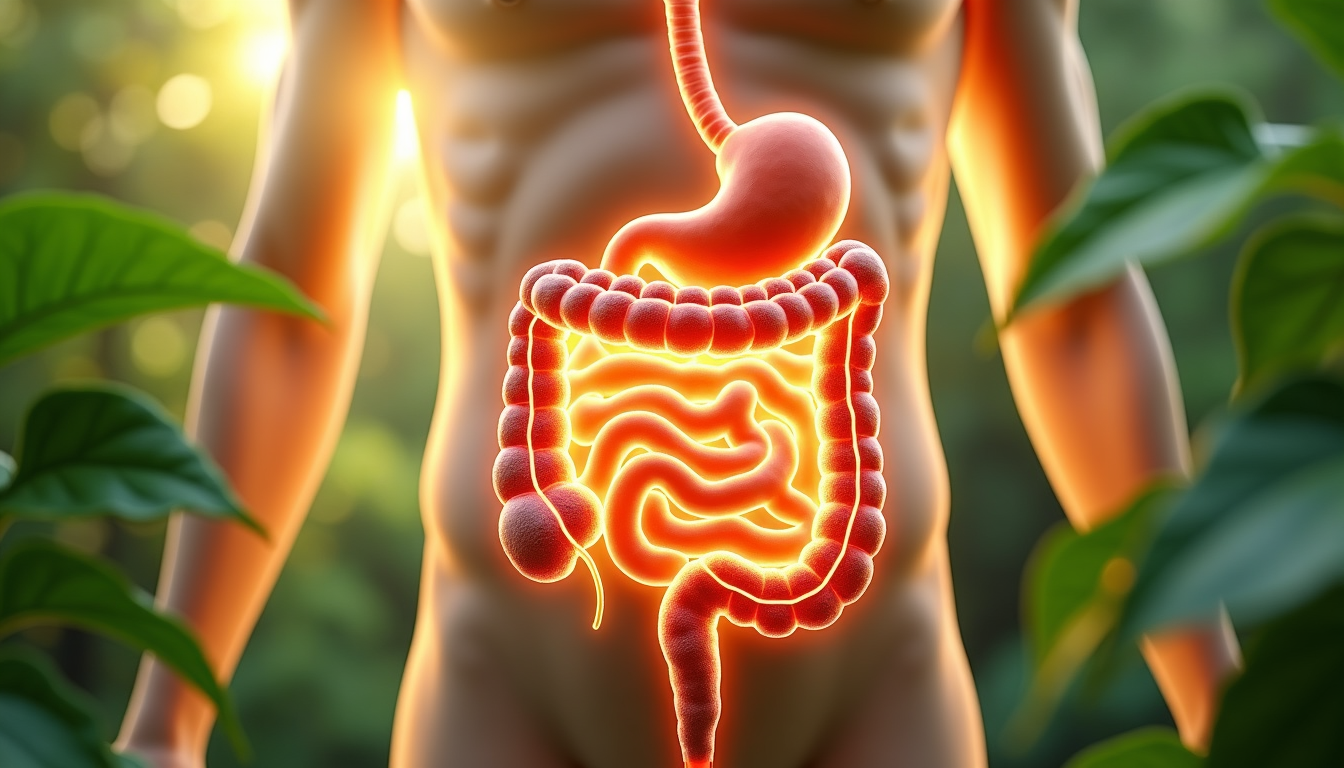
Colon cancer begins in the large intestine, the part of the digestive tract responsible for absorbing water and minerals from food waste before it leaves the body. Waste material passes from the colon into the rectum and is eventually eliminated through the anus.
While colon cancer originates in the colon and rectal cancer develops in the rectum, the two conditions are closely related and often grouped together as colorectal cancer. In some cases, cancer that starts in one area may spread to the other.
The likelihood of developing colorectal cancer increases with age. For this reason, many health professionals recommend regular screening beginning around age 50 or earlier for individuals with increased risk.
Common Signs and Symptoms
Early colon cancer may produce few or no symptoms, which is why screening plays such an important role. When symptoms do appear, they may include:
Changes in bowel habits such as persistent constipation or diarrhea
Narrow stools or a change in stool shape
Blood in the stool or rectal bleeding
Dark or black stools
Persistent abdominal discomfort, cramping, or pain
A sensation of incomplete bowel emptying
Unexplained anemia
Ongoing fatigue or weakness
Unintentional weight loss
These symptoms can also occur in other digestive conditions such as hemorrhoids, infections, irritable bowel syndrome (IBS), or inflammatory bowel disease (IBD). Anyone experiencing persistent or unusual digestive symptoms should seek medical evaluation for proper diagnosis.
Factors That May Increase Risk
A variety of factors may influence the likelihood of developing colon cancer. Some risks are not modifiable, while others are related to lifestyle and can potentially be improved.
Non-modifiable risk factors
Increasing age, particularly after 50
Personal history of colon polyps or colorectal cancer
Inflammatory bowel diseases such as ulcerative colitis or Crohn’s disease
Family history of colorectal cancer
Certain inherited genetic conditions
Lifestyle and metabolic risk factors
Excess body weight or obesity
Physical inactivity
Insulin resistance or type 2 diabetes
Smoking
Regular alcohol consumption
Diets high in processed meats or heavily cooked red meat
Low vitamin D levels
Improving lifestyle habits may help reduce risk, especially for individuals with non-modifiable factors.
Understanding Colon Cancer Stages
When colon cancer is diagnosed, doctors determine how advanced the disease is. This process is known as staging, and it helps guide treatment decisions.
A commonly used system evaluates three main elements
Tumour (T): the size of the original tumour and whether it has grown through the colon wall
Nodes (N): whether nearby lymph nodes are affected
Metastasis (M): whether cancer has spread to distant organs such as the liver or lungs
Based on these findings, colon cancer is typically classified from Stage 0 to Stage 4.
Stage 0: Cancer is confined to the inner lining of the colon.
Stage 1: Cancer has grown deeper into the colon wall but has not spread to lymph nodes.
Stage 2: The tumour has expanded beyond the colon wall but has not yet spread to lymph nodes.
Stage 3: Cancer has spread to nearby lymph nodes.
Stage 4: Cancer has spread to distant organs such as the liver or lungs.
In addition to staging, tumors may be graded according to how abnormal the cancer cells appear under a microscope. Lower-grade cancers tend to grow more slowly than higher-grade tumors.
Conventional Treatment Options
Treatment recommendations depend on the stage and characteristics of the cancer. Standard medical approaches may include:
Surgical removal of the tumour
Chemotherapy, which uses medications to has been investigated in relation to cancer-cell biology
Radiation therapy to target cancerous tissue
Targeted therapies that attack specific molecular features of cancer cells
Immunotherapy, which helps stimulate the immune system to support overall wellbeing during cancer care
Treatment plans are individualized and determined by oncology specialists.
Contributing Health Factors
Although cancer development is complex, several biological and lifestyle factors may contribute to colon cancer risk.
Chronic Inflammation
Long-term inflammation in the body can damage tissues and contribute to cellular changes that increase cancer risk. Conditions such as inflammatory bowel disease, poor diet, chronic stress, and toxin exposure may all contribute to persistent inflammation.
Obesity and Insulin Resistance
Excess body fat and metabolic disorders such as insulin resistance may increase inflammation and disrupt normal cellular regulation. These metabolic changes are associated with a higher risk of several cancers, including colon cancer.
Chronic Stress and Poor Sleep
Long-term psychological stress and inadequate sleep can negatively affect immune function and inflammatory balance in the body. Over time, these disruptions may contribute to disease development.
Smoking and Alcohol Use
Tobacco smoke exposes the body to numerous toxic compounds that can damage DNA and increase cancer risk. Heavy alcohol intake has also been linked to a higher likelihood of colorectal cancer.
Environmental Toxin Exposure
Exposure to environmental toxins such as pesticides, industrial chemicals, or mould toxins may place additional stress on the body’s support normal detoxification pathways systems and increase oxidative damage.
Gut Microbiome Imbalance
The health of the digestive microbiome plays a key role in intestinal health. Chronic infections, parasites, or imbalances in gut bacteria may contribute to inflammation within the digestive tract.
Vitamin D Deficiency
Low vitamin D levels have been associated with a greater risk of several chronic diseases, including colorectal cancer. Adequate vitamin D supports immune regulation and intestinal health.
Supportive Lifestyle and Nutritional Strategies
While lifestyle approaches are not intended to replace medical treatment, they may support overall health and help improve metabolic and inflammatory balance.
Anti-Inflammatory Nutrition
An anti-inflammatory dietary pattern may support digestive and metabolic health.
This typically involves
Emphasising vegetables, leafy greens, herbs, and spices
Including healthy fats such as olive oil, avocados, nuts, and seeds
Consuming high-quality protein from fish, pasture-raised poultry, eggs, and grass-fed meats
Eating fermented foods that support gut health
Minimising refined sugars, processed foods, artificial additives, and deep-fried foods
Whenever possible, choosing organic foods may help reduce exposure to pesticides.
Blood Sugar Balance and Ketogenic Nutrition
Some research suggests that lower carbohydrate diets and improved metabolic health may influence cancer-related metabolic pathways. Nutritional strategies that stabilize blood sugar and improve insulin sensitivity may support overall metabolic health.
Intermittent Fasting
Structured eating patterns such as intermittent fasting involve alternating periods of eating and fasting. Some studies suggest fasting may influence metabolic pathways related to inflammation and cellular repair.
Individuals new to fasting often begin with a 12-hour overnight fast, gradually extending the fasting window if appropriate.
Stress Management and Sleep
Supporting mental wellbeing and sleep quality may help regulate inflammation and immune function.
Helpful practices include
Meditation or breathing exercises
Gentle movement such as yoga
Time in nature
Journaling or relaxation practices
Maintaining consistent sleep routines
Regular Physical Activity
Routine physical activity supports healthy metabolism, circulation, and weight management.
A balanced exercise routine may include
Cardiovascular exercise such as walking, cycling, or swimming
Strength training
Low-impact movement such as yoga or Pilates
Reducing Toxin Exposure
Limiting exposure to environmental toxins may support overall health. This may involve:
Choosing natural household products
Filtering drinking water
Reducing plastic use
Avoiding cigarette smoke
Choosing organic foods when possible
Supporting Digestive Health
Maintaining a healthy gut microbiome is an important aspect of digestive health.
Strategies may include
Eating fermented foods such as sauerkraut, kimchi, or kefir
Consuming fiber-rich whole foods
Considering high-quality probiotic supplementation when appropriate
Optimising Vitamin D
Adequate vitamin D levels support immune function and overall health. Sunlight exposure, diet, and supplementation may all contribute to maintaining healthy levels.
Testing vitamin D periodically can help determine appropriate intake.
Final Thoughts
Colon cancer is a serious but increasingly preventable condition when risk factors are addressed early. Regular screening, healthy lifestyle habits, balanced nutrition, and attention to digestive health all play important roles in supporting long-term wellbeing.
Anyone experiencing persistent digestive symptoms or who has a family history of colorectal cancer should consult their healthcare provider to discuss appropriate screening and evaluation.
Nutritional Support Protocol
Duration: 6 months, followed by a review of progress
The following nutritional protocol is designed to support cellular health, immune function, support normal detoxification pathways pathways, and overall metabolic balance. Compliance with the protocol is recommended for six months, after which progress should be reviewed and adjustments made if necessary.
Supplement Protocol
Cellular Redox Support
ASEA
Week 1: 60 ml in the morning and 60 ml in the evening
From Week 2 onward: 120 ml in the morning and 120 ml in the evening
Potential benefits include support for
Increased glutathione production
Enhanced mitochondrial function and cellular energy production
Improved cellular signalling pathways
Activation of the NRF2 pathway, which supports antioxidant defence
Supporting healthy pH balance within the body
Vitamin D Support
Dr Wolz Vitamin D3 (4,000 IU) Take 4 capsules daily.
Vitamin D supports
Immune system function
Bone and musculoskeletal health
Hormonal regulation
Anti-inflammatory processes
Cellular Oxygen and Immune Support
Dr Wolz Zell Oxygen Take 30 ml once daily.
Dr Wolz Immunokomplex Take 30 ml once daily.
These products may assist in supporting
Cellular metabolism
Oxygen utilisation
Immune resilience
Anti-Inflammatory Support
Dr Wolz Curcumin Take 2 capsules daily.
Curcumin may support
Healthy inflammatory response
Antioxidant activity
Joint and digestive health
Essential Fatty Acids
Dr Wolz Omega-3 (High DHA) Take 2 capsules daily.
Omega-3 fatty acids support
Cardiovascular health
Brain and nervous system function
Anti-inflammatory balance
Cellular membrane integrity
Mineral and Electrolyte Support
Quinton Hypertonic Marine Plasma Take 1 ampoule in the morning.
Quinton Isotonic Marine Plasma Take 1 ampoule in the evening.
Marine plasma minerals may support
Cellular hydration
Electrolyte balance
Trace mineral replenishment
Magnesium Support
Nano Magnesium
60 ml in the morning
60 ml approximately 1 hour before bedtime
Magnesium contributes to
Nervous system regulation
Muscle relaxation
Sleep quality
Energy metabolism
Probiotic Support
Dr Wolz 22-Strain Probiotic Ultra
Take 2 capsules with meals daily.
A multi-strain probiotic supports
Digestive health
Gut microbiome balance
Immune function
Antioxidant Support
Organic Food-Based Vitamin C (1200 mg)
3 capsules in the morning
3 capsules in the evening
Vitamin C supports
Immune health
Collagen production
Antioxidant protection
Trace Mineral Support
Ancient Purity Selenium (200 mcg) Take 1 capsule daily.
Selenium contributes to
Thyroid function
Antioxidant defence
Immune health
Additional Nutritional Support
Liposomal Glutathione Take as directed by the manufacturer.
Supports support normal detoxification pathways pathways and cellular antioxidant protection.
Nano Zinc plus Copper 1 Litre – take 30ml once a day
Supports immune health, hormone balance, and tissue repair.
B Vitamin Complex (100 mg) Take 1 capsule daily.
Supports energy production, nervous system health, and stress resilience.
Vitamin B5 (Pantothenic Acid) Take 1,000 mg daily.
Supports adrenal function, stress response, and metabolic health.
Hydration Support
Chlorine Dioxide Solution
Add 10 ml to 1 litre of water and sip gradually throughout the day.
Additional Supportive Interventions
The following lifestyle interventions may further support the body’s healing processes and overall wellbeing.
Grounding (Earthing)
Spend at least 5 minutes daily standing barefoot on natural surfaces such as
Grass
Soil
Sand
Seawater
Grounding may support nervous system balance and reduce inflammation.
Hydrogen Water
Hydrogen-rich water may support cellular antioxidant activity.
Hydrogen water machines are available for home use.
Contact: John – 087 1876475 Approximate cost: €170
Hyperbaric Oxygen Therapy
Hyperbaric oxygen therapy may support
Tissue oxygenation
Cellular repair processes
Recovery and healing
Infrared Sauna
Infrared sauna sessions may assist with
support normal detoxification pathways through sweating
Circulatory support
Relaxation and recovery
Traditional Sauna
Regular sauna use may support
support normal detoxification pathways
Cardiovascular circulation
Stress reduction
Follow-Up
This programme should be followed for six months, after which a clinical review is recommended to evaluate progress and determine whether modifications to the protocol are required.
Emotional Patterns Commonly Associated with Colon Imbalances
Some individuals who struggle with colon-related health issues may also carry long-standing emotional patterns connected to self-worth, boundaries, and unresolved experiences from the past.
At times, people may have been exposed to individuals who exploited their insecurities or low self-esteem. These interactions can leave a person feeling criticised, inadequate, or fearful of making mistakes. Over time, this can lead to a heightened sensitivity to judgement and a tendency to doubt one’s own abilities.
When emotional needs were expressed in the past, the response may not always have been supportive. In some cases, affection may have been mixed with criticism, control, or emotional withdrawal. As a result, a person may have learned to suppress their own needs or feelings in order to avoid further hurt.
Even individuals with naturally strong personalities may gradually begin to hold themselves back. Rather than taking a leading role or expressing their opinions openly, they may adopt a more passive or accommodating position in relationships or environments.
Many people carry emotional memories from earlier life experiences. These memories may include situations where they felt mistreated, criticised, or emotionally unsupported. Letting go of these experiences can sometimes feel difficult, as holding onto them may create a sense of protection. In a way, remembering past pain can feel like a safeguard against being hurt again.
For some individuals, setting boundaries during childhood may have led to conflict, rejection, or feelings of abandonment. When attempts to say “no” were met with guilt, shame, or criticism, it may have become easier to avoid asserting personal limits. As adults, this pattern can continue, leading to difficulty expressing needs or protecting personal boundaries.
In stressful situations, some people may respond by withdrawing, becoming submissive, or emotionally disconnecting. This reaction can resemble a return to earlier coping strategies developed during childhood, when feeling powerless or overwhelmed. These responses may have originally served as a way to maintain safety in difficult circumstances.
A history of emotional, psychological, or physical mistreatment can also leave a lasting impact. Individuals who have lived in controlling or harmful environments may carry unresolved feelings such as anger, sadness, or resentment. Over time, these emotions can create a state of ongoing tension within the body and mind.
Despite these internal struggles, many people develop a strong outward image of resilience. They may present themselves as capable, dependable, and always able to manage challenges. Helping others and being needed can become a source of validation and self-worth, especially if recognition or support was lacking earlier in life.
At the same time, criticism or negative comments from others may feel particularly painful. Words and actions from others may be experienced as deeply hurtful or threatening, even if this is not the intention.
Some individuals also find themselves strongly defending their identity, beliefs, or perspective when challenged. This may arise from earlier experiences where their voice or sense of self was questioned or dismissed.
In certain cases, family or ancestral experiences of violation, mistreatment, or invasion of personal boundaries may also contribute to emotional patterns that are carried forward through generations. These experiences do not always need to be physical in nature; emotional invasion or loss of personal safety can have similar effects.
Such circumstances may activate powerful survival responses within the nervous system, including the instinct to hide, fight, or freeze. When these responses remain unresolved, a person may experience ongoing anxiety, frustration, or suppressed anger.
Another common pattern involves a deep desire for love and connection while simultaneously feeling unsafe receiving it. When past experiences have linked love with hurt, rejection, or control, accepting affection can feel uncomfortable or even threatening. This internal conflict can sometimes lead to withdrawing from relationships or unconsciously pushing love away.
Many people cope with these emotional conflicts by keeping their struggles private. Maintaining an appearance of strength can feel like proof of resilience and independence. However, carrying emotional pain alone can also reinforce patterns of suppression.
Letting go of familiar coping strategies can sometimes feel frightening, even when those patterns are unhealthy. The fear may arise from uncertainty about what will replace them or whether life will feel stable without them.
Over time, individuals may become accustomed to suppressing feelings such as anger or frustration. These emotions may remain largely unrecognised on a conscious level, yet they can continue to influence behaviour and emotional wellbeing. In some cases, people may even draw a sense of determination or inner drive from this suppressed emotional energy.
During childhood, many individuals learned to stay quiet about their difficulties, avoid complaining, or take on responsibilities beyond their years. Supporting others and managing challenges may have become a way of life from an early age.
Reflective Questions
The following questions are intended to encourage self-reflection and emotional awareness. They may help identify experiences or patterns that deserve attention or healing.
Have you experienced the loss of someone who had a profound impact on your life? What emotions remain connected to that relationship, and have those feelings been fully processed?
Were there situations or individuals who made you feel inadequate, criticised, or unintelligent?
Why might expressing personal boundaries bring feelings of guilt or shame?
What happened when you attempted to assert boundaries earlier in life, particularly during childhood?
Who or what circumstances have influenced your ability to experience joy or happiness?
Are there unresolved feelings of anger or resentment toward someone who held authority or influence in your life?
Were you ever placed in the middle of your parents’ relationship difficulties or blamed for family problems?
Did you experience frequent criticism, blame, or accusations during childhood?
In what ways might holding onto anger, resentment, or resistance continue to serve a purpose in your life?
Are there family or ancestral patterns involving intense anger, hatred, or unresolved trauma that may still influence your emotional responses?
When faced with change, do you notice resistance or rigidity? What might happen if that resistance softened?
Do you associate happiness with the fear of eventual loss, disappointment, or grief?
Have alcohol or other coping behaviours been used to manage emotional tension?
If alcohol has been used, what emotional relief or benefit did it provide that may currently be missing in your life?
Are there patterns of alcohol use within your family or ancestral history?
Do you ever experience feelings of being controlled, invaded, or unable to direct your own life?
Are there emotional patterns that may have originated before birth, possibly connected to the emotional experiences your mother had during pregnancy?
Psychosomatic Reflection Worksheet
Emotional Patterns Potentially Associated with Colon Health
Purpose: This worksheet is designed to support personal reflection on emotional patterns, past experiences, and belief systems that may influence overall wellbeing. The questions are intended to encourage awareness and insight. There are no right or wrong answers.
You may wish to complete this slowly over time, journaling your thoughts as they arise.
1. Self-Worth and Sensitivity to Criticism
Some individuals may have experienced environments where criticism, blame, or judgment were frequent. These experiences can affect how safe a person feels expressing themselves or making mistakes.
Reflective prompts
Have there been people in your life who made you feel inadequate, criticised, or “not good enough”?
How did these experiences affect your confidence or sense of self-worth?
Do you notice that criticism from others feels particularly painful or threatening?
Personal reflections
………………………………………………………………….
………………………………………………………………….
………………………………………………………………….
2. Expressing Needs and Emotional Safety
In some families or relationships, expressing emotional needs may have been discouraged or met with negative responses. Over time, individuals may learn to suppress their feelings or avoid asking for support.
Reflective prompts
When you expressed emotional needs in the past, how were you responded to?
Do you feel comfortable asking for help or support today?
Do you sometimes hide your feelings to avoid conflict or rejection?
Personal reflections
………………………………………………………………….
………………………………………………………………….
………………………………………………………………….
3. Boundaries and the Ability to Say “No”
Difficulty setting boundaries can develop when asserting personal limits previously led to guilt, criticism, or abandonment.
Reflective prompts
How easy or difficult is it for you to say “no”?
Were boundaries respected in your family when you were growing up?
What usually happens internally when you try to protect your time, space, or energy?
Personal reflections
………………………………………………………………….
………………………………………………………………….
………………………………………………………………….
4. Holding on to Past Experiences
Some people find it difficult to release painful memories or past traumas. Holding on to these experiences may feel like a form of protection or vigilance.
Reflective prompts
Are there past experiences that you continue to carry emotionally?
Do you feel that remembering past hurt helps protect you from being hurt again?
What emotions arise when you consider letting go of these memories?
Personal reflections
………………………………………………………………….
………………………………………………………………….
………………………………………………………………….
5. Responsibility and Being Needed
Many individuals who grew up with significant responsibilities develop a strong identity around being dependable, helpful, or always available for others.
Reflective prompts
Do you feel valued when others rely on you?
Do you sometimes take on more responsibility than is healthy for you?
Do you find it difficult to prioritise your own needs or rest?
Personal reflections
………………………………………………………………….
………………………………………………………………….
………………………………………………………………….
6. Suppressed Emotions
Long-term emotional suppression can occur when expressing anger, frustration, or sadness was not safe or acceptable earlier in life.
Reflective prompts
Do you feel that you suppress emotions such as anger, disappointment, or resentment?
Are there unresolved conflicts with parents, partners, or authority figures?
How comfortable are you with expressing difficult emotions?
Personal reflections
………………………………………………………………….
………………………………………………………………….
………………………………………………………………….
7. Experiences of Safety and Personal Boundaries
Some individuals have experienced emotional or physical boundary violations during their lifetime or within family history.
Reflective prompts
Have there been situations where you felt emotionally or physically unsafe?
Do you ever feel invaded, controlled, or unable to protect your personal space?
How have these experiences influenced your relationships with others?
Personal reflections
………………………………………………………………….
………………………………………………………………….
………………………………………………………………….
8. Love, Trust, and Relationships
Early life experiences can shape beliefs about love, safety, and connection.
Reflective prompts
Do you desire close relationships but sometimes feel uncomfortable when others show affection?
Have past experiences created mixed feelings about love or trust?
Do you ever find yourself withdrawing from connection even when you want it?
Personal reflections
………………………………………………………………….
………………………………………………………………….
………………………………………………………………….
9. Family and Ancestral Influences
Family dynamics and generational experiences may shape emotional patterns, beliefs, and coping strategies.
Reflective prompts
Are there patterns in your family history involving trauma, conflict, addiction, or emotional hardship?
Have you noticed emotional themes repeating across generations?
How might these patterns influence your own emotional responses?
Personal reflections
………………………………………………………………….
………………………………………………………………….
………………………………………………………………….
10. Loss, Grief, and Unresolved Emotions
Significant losses or disappointments can have a lasting emotional impact if they are not fully processed.
Reflective prompts
Have you experienced the loss of someone who deeply affected your life?
What emotions remain connected to that relationship?
Do you feel those emotions have been fully acknowledged or processed?
Personal reflections
………………………………………………………………….
………………………………………………………………….
………………………………………………………………….
11. Coping Behaviours
People often develop coping strategies to manage emotional stress.
Reflective prompts
Have you ever relied on substances (such as alcohol) or other behaviours to manage stress or emotional pain?
What emotional relief or benefit did this behaviour provide?
Are there healthier ways you could meet those emotional needs today?
Personal reflections
………………………………………………………………….
………………………………………………………………….
………………………………………………………………….
12. Readiness for Change
Personal growth often requires letting go of familiar patterns, even when those patterns feel safe.
Reflective prompts
Are there behaviours or beliefs that you feel ready to release?
What fears arise when you consider making changes in your life?
What positive outcomes might occur if those patterns shifted?
Personal reflections
………………………………………………………………….
………………………………………………………………….
………………………………………………………………….
Practitioner Note
This worksheet is intended as a self-reflection tool and may be used alongside supportive therapeutic practices such as counselling, coaching, mindfulness, or integrative health care.
Emotional awareness can play an important role in improving overall wellbeing and supporting the body’s natural capacity for balance and healing.
References
- Cancer Research UK. Vitamins and diet supplements. https://www.cancerresearchuk.org/about-cancer/treatment/complementary-alternative-therapies/individual-therapies/vitamins-diet-supplements
- Cancer Research UK. Complementary and alternative therapies. https://www.cancerresearchuk.org/about-cancer/treatment/complementary-alternative-therapies
- Leeds Teaching Hospitals NHS Trust. Cancer and dietary supplements / herbal remedies. https://www.leedsth.nhs.uk/patients/resources/cancer-and-dietary-supplements-herbal-remedies/
- NIH Office of Dietary Supplements. Vitamin D Fact Sheet for Health Professionals. https://ods.od.nih.gov/factsheets/VitaminD-HealthProfessional/
- Holick MF. Vitamin D deficiency. New England Journal of Medicine. 2007;357:266-281. https://doi.org/10.1056/NEJMra070553
- NIH National Center for Complementary and Integrative Health. Probiotics: What You Need To Know. https://www.nccih.nih.gov/health/probiotics-what-you-need-to-know
- NIH Office of Dietary Supplements. Magnesium Fact Sheet for Health Professionals. https://ods.od.nih.gov/factsheets/Magnesium-HealthProfessional/
- European Commission. EU Register of Nutrition and Health Claims. https://food.ec.europa.eu/food-safety/labelling-and-nutrition/nutrition-and-health-claims/eu-register-health-claims_en