
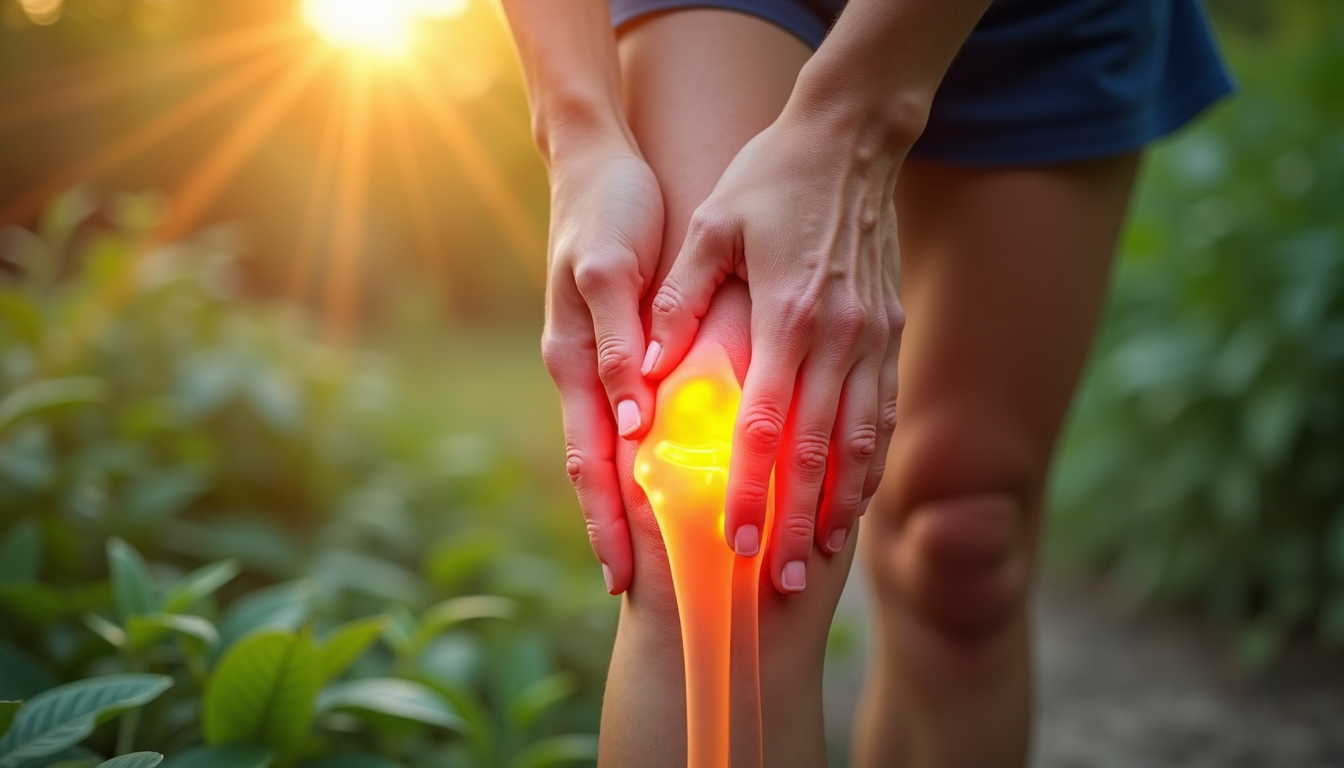
Rheumatoid Arthritis: Symptoms, Causes, and Natural Support Approaches
Important: This article is for educational and wellbeing support only. It is not a diagnosis, treatment plan, or substitute for medical advice. If you have symptoms, a diagnosed condition, are pregnant, take medication, or are undergoing treatment, speak with a qualified healthcare professional before changing diet, supplements, or lifestyle.
Rheumatoid arthritis (RA) is an autoimmune condition in which the immune system mistakenly attacks the tissues around the joints, particularly the synovium. In autoimmune conditions, the body confuses its own tissues for harmful invaders, like bacteria or viruses, prompting antibodies to attack. RA is systemic, meaning it can impact the whole body, including organs like the heart and lungs, as well as muscles, cartilage, and ligaments. Chronic inflammation from RA can cause persistent pain, swelling, and even long-term disability.
Who Gets RA?
RA affects around 1% of the global population and is about twice as common in women as men. The likelihood of developing RA increases with age until around the eighth decade of life. Rates vary across populations, with lower incidence in many Asian countries and higher prevalence among certain Native American groups.
Early Signs of RA
RA usually begins in the smaller joints of the fingers and toes. Early symptoms can be subtle, such as mild warmth, stiffness, or swelling, and may come and go. As the disease progresses, larger joints like the knees, hips, and shoulders may be affected. Early damage can occur within two years if left unmanaged. Common associated symptoms include:
Fatigue
Low-grade fevers
Morning stiffness lasting more than 30 minutes
Anemia
Weight loss
RA can also increase the risk of cardiovascular problems, including heart attack and stroke, due to its effects on heart tissues.
How RA Develops
RA arises from a combination of genetic and environmental influences that affect immune regulation. Environmental triggers can over-activate the innate immune system, leading to chronic inflammation.
One key mechanism involves peptidyl arginine deiminase (PAD) enzymes, which convert the amino acid arginine into citrulline. In RA, the immune system reacts to citrullinated proteins by producing anti-citrullinated protein antibodies (ACPAs), often appearing years before joint symptoms. Inflammatory molecules such as TNF-alpha, IL-6, and IL-1 further amplify immune responses, accelerating joint and organ inflammation.
The Four Stages of RA
Stage I – Early RA: Inflammation begins in the synovial membrane, causing joint swelling and pain. X-rays may show soft tissue swelling but no major bone damage.
Stage II – Moderate RA: Inflammation spreads across cartilage, gradually narrowing joints and beginning cartilage destruction.
Stage III – Severe RA: The synovium develops pannus (vascular scar tissue) that erodes cartilage and exposes bone. X-rays reveal joint damage and deformities.
Stage IV – End-Stage RA: Chronic inflammation subsides, but fibrous tissue and bone fusion prevent normal joint function. Subcutaneous nodules may form.
Supporting Immune Health
Autoimmune conditions like RA involve a hyperactive immune system. Several factors influence immune function and inflammation:
Blood Sugar Stability: Unstable blood sugar can disrupt immune coordination.
Vitamin D Deficiency: Low vitamin D increases chronic inflammation and autoimmunity risk.
Gut Health: Dysbiosis and leaky gut trigger systemic inflammation.
Mitochondrial Function: Healthy mitochondria reduce oxidative stress; dysfunction worsens inflammation.
Glutathione Levels: Low glutathione impairs antioxidant defenses and immune cell function.
Omega-6/Omega-3 Balance: Excess omega-6 fats promote inflammation; omega-3 fats help reduce it.
Spinal Alignment: Misalignments in the upper cervical spine can disrupt immune signaling.
Environmental Toxins: Chemicals, heavy metals, and pathogens increase inflammation and reduce support normal detoxification pathways capacity.
Stress & Breathing: Chronic stress and shallow breathing raise inflammatory markers.
Sleep Quality: Poor sleep increases immune dysfunction.
Methylation: Proper methylation is essential for support normal detoxification pathways and T cell function; deficiencies can trigger autoimmunity.
EMF Exposure: High electromagnetic fields may alter immune regulation.
Diet and Lifestyle Factors
Gluten Sensitivity
Gluten, a protein in wheat, barley, rye, and related grains, can damage the gut lining and trigger immune responses in sensitive individuals. Many people with RA benefit from a gluten-free diet, which may improve antibody levels and reduce symptoms.
Vitamin D
Vitamin D supports immune balance and self-tolerance, reducing autoimmune activity. Low vitamin D is common in people with RA and correlates with increased disease activity.
Gut Microbiome
A healthy gut microbiome supports nutrient absorption and immune function. RA patients often have an overgrowth of Prevotella copri, a bacterium linked to inflammation, while losing beneficial microbes. SIBO (small intestinal bacterial overgrowth) is also more common, leading to nutrient deficiencies and systemic inflammation.
Leaky Gut
Intestinal permeability allows undigested food particles to enter the bloodstream, triggering chronic immune responses. Foods often implicated include processed foods, gluten, soy, dairy, corn, peanuts, eggs, and nightshades. Certain medications, like NSAIDs, may worsen gut permeability.
Mitochondrial Dysfunction
Damaged mitochondria increase oxidative stress, deplete glutathione, and promote inflammation. Supporting mitochondria is critical for managing autoimmune conditions.
Anti-Inflammatory Diet & Lifestyle
Eat nutrient-dense, anti-inflammatory foods
Healthy fats: coconut, avocado, olive oil
Vegetables: cruciferous and phytonutrient-rich
Proteins: grass-fed meats, wild-caught fish, organic eggs
Herbs: turmeric, ginger, garlic, rosemary, oregano, cinnamon
Organ meats for mitochondrial support
Support gut healing
Intermittent fasting, fermented foods, vegetable juices, bone broth, probiotics, digestive enzymes
Reduce toxins
Choose organic foods, avoid plastics, use natural personal care products, filter water, improve air quality
Manage stress and sleep
Practice meditation, deep breathing, grounding walks, and maintain regular sleep patterns
Nutritional support
Omega-3 supplementation, magnesium, B vitamins, CoQ10, L-carnitine, alpha-lipoic acid, N-acetyl cysteine, vitamin D
Neurological health
Address spinal misalignments (especially upper cervical) with corrective chiropractic care to improve immune coordination
Antioxidant pathways
Activate the Nrf2 pathway using resveratrol, curcumin, quercetin, sulforaphane, and green tea (EGCG) to reduce oxidative stress
Summary
RA is a chronic autoimmune disease causing joint inflammation, pain, fatigue, and systemic complications. Natural strategies focus on reducing inflammation, supporting gut and mitochondrial health, improving support normal detoxification pathways pathways, stabilizing the immune system, and optimizing nutrition and lifestyle. While these approaches don’t replace medical care, they can complement standard treatments and improve overall health, energy, and quality of life.
Daily RA Support Protocol (6-Month Cycle)
Morning Routine
Asea – 60 ml for first week, then 120 ml after first week (on empty stomach, swish in mouth 30 sec).
Quinton Hypertonic – 1 ampule (empty stomach).
Nano Magnesium – 60 ml.
Vitamin D3 (Dr Wolz) – 4 caps.
Omega-3 (Dr Wolz) – 2 caps.
Curcumin (Dr Wolz) – 2 caps.
B Vitamin Complex – 1 daily.
Vitamin B5 (Pantothenic Acid) – 2,000 mg.
Zinc Picolate – 50 mg.
Organic Vitamin C – 3 caps.
Grounding – 5+ min barefoot on grass, soil, or sand.
Optional: Morning hydrogen water if available.
Daytime / During the Day
Chlorine Dioxide – 10 ml per 1 L water, sip throughout the day.
Probiotic (Dr Wolz 22 Strain Ultra) – 2 caps with meal.
Hydration & diet – Eat anti-inflammatory, nutrient-rich foods; include fermented foods, berries, cruciferous vegetables, healthy fats.
Movement – Light exercise, stretching, or yoga.
Optional: Short walk in nature or meditation for stress reduction.
Evening / Before Bed
Asea – 60 ml for first week, then 120 ml (empty stomach).
Quinton Isotonic – 1 ampule (empty stomach).
Nano Magnesium – 60 ml (1 hr before bed).
Zell Oxygen (Dr Wolz) – 30 ml (anytime, can be evening).
Immunokomplex (Dr Wolz) – 30 ml (anytime, can be evening).
Organic Vitamin C – 3 caps.
Liposomal Glutathione – as directed.
Optional: Infrared sauna or traditional sauna for 20–30 min to support support normal detoxification pathways and circulation.
Weekly / Monthly Interventions
Hyperbaric Chamber – 1–3 sessions per week, if accessible.
Hydrogen water – daily if machine is available.
Deep breathing / meditation – daily, especially before bed to reduce stress.
Check-in & journal – track joint pain, energy, and inflammation markers weekly.
6-Month Review
Assess joint pain, stiffness, fatigue, inflammation markers, and overall wellbeing.
Adjust supplement doses and lifestyle strategies with a healthcare professional based on results.
✅ Notes & Tips:
Take all supplements on an empty stomach unless specified otherwise.
Maintain consistent hydration.
Support gut health with fermented foods and probiotics.
Anti-inflammatory foods and intermittent fasting cycles can enhance mitochondrial and immune function.
Combine this protocol with stress management, sleep hygiene, and grounding to maximize benefits.
Emotional Patterns to Notice
1. Seeking Recognition and Overloading Yourself
You feel truly seen only when taking on more responsibilities.
This can cause anger because it feels like you have to “earn” love.
You may feel an intense need to be right, stemming from past experiences of being ignored or dismissed.
You fear saying no, often going out of your way to help others without receiving much in return.
2. Patterns of Self-Isolation
You push people away, often enduring pain alone.
There may be an unconscious belief that you deserve punishment for not being “good enough.”
Childhood experiences of love and comfort were stressful, filled with rejection, anger, or trauma.
You may replicate childhood dynamics in adulthood, responding to others’ needs as your own were handled—often with avoidance, over-responsibility, or emotional withdrawal.
3. Anger, Control, and Adrenaline
Fear of co-dependency and being controlled triggers anger.
Past trauma around loss of freedom may make you sensitive to control, even unconsciously seeking conflict to regain a sense of power.
Arguments or conflicts may provoke adrenaline, which feels empowering and familiar.
4. Attachment and Love Challenges
Childhood experiences may have linked love with rejection or pain.
You may unconsciously recreate situations where you feel abandoned, rejected, or attacked.
Patterns can repeat with partners or influential people, often mirroring past traumas.
Love may feel toxic or conditional, making it easier to give love than to receive it.
5. Resentment, Guilt, and Self-Punishment
You may carry deep resentment from childhood and unresolved situations.
Mistakes or criticism experienced early in life can create feelings of worthlessness.
This resentment often leads to over-control in life, punishing yourself to feel safe.
Guilt and shame may stem from unmet needs, mistakes, or ancestral traumas.
6. Suppressed Emotions
You may feel ignored or silenced when expressing yourself.
This can lead to internalized anger or “silent, raging fits.”
Even with support, emotional or physical control from others may trigger unresolved conflict patterns.
Reflective Questions for Self-Exploration
Partner Patterns
Do your partners trigger childhood dynamics with dominant or controlling figures?
What did you need from these early figures, and was it met?
Resentment
What do you deeply resent in your life?
How does this resentment make you feel beyond anger?
Family Patterns
Were similar issues present in your mother during pregnancy?
Did other family members carry anger or resentment, and how did that affect you?
Guilt and Shame
Where do your feelings of guilt or shame come from?
How have ancestral or environmental traumas contributed to your emotional patterns?
Expression and Suppression
Who or what made you feel powerless to express yourself?
When you try to change circumstances, do you feel overpowered or blocked by influential forces?
Love and Support Dynamics
How does being blamed or criticized by loved ones affect you?
Do you allow yourself to receive love, or do you only give it?
Key Takeaways
You may unconsciously recreate childhood traumas to feel familiar patterns of power, control, or rejection.
Anger, over-responsibility, and self-punishment often serve as coping mechanisms.
Healing may involve recognizing these patterns, exploring family and ancestral influences, and consciously choosing healthier ways to engage with love, support, and responsibility.
References
- NIH Office of Dietary Supplements. Vitamin D Fact Sheet for Health Professionals. https://ods.od.nih.gov/factsheets/VitaminD-HealthProfessional/
- Holick MF. Vitamin D deficiency. New England Journal of Medicine. 2007;357:266-281. https://doi.org/10.1056/NEJMra070553
- NIH National Center for Complementary and Integrative Health. Probiotics: What You Need To Know. https://www.nccih.nih.gov/health/probiotics-what-you-need-to-know
- NIH Office of Dietary Supplements. Magnesium Fact Sheet for Health Professionals. https://ods.od.nih.gov/factsheets/Magnesium-HealthProfessional/
- European Commission. EU Register of Nutrition and Health Claims. https://food.ec.europa.eu/food-safety/labelling-and-nutrition/nutrition-and-health-claims/eu-register-health-claims_en
- European Commission. Nutrition and Health Claims. https://food.ec.europa.eu/food-safety/labelling-and-nutrition/nutrition-and-health-claims_en